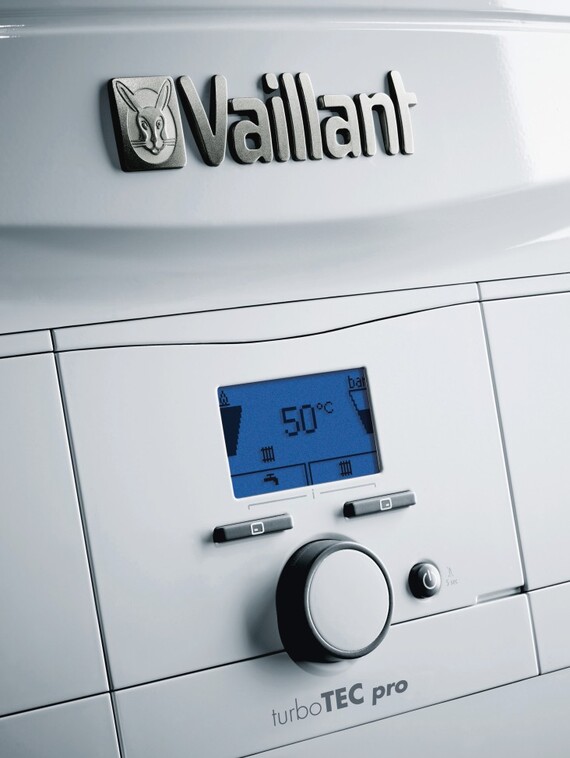
A boiler that suddenly loses pressure can be frustrating, especially when you’re relying on it for heating and hot water during a chilly London morning. If you own a Vaillant boiler and notice the pressure gauge dropping below normal levels, don’t panic – this is a common issue that many homeowners face. The good news is that boiler pressure problems are usually fixable once you identify the cause.
In this guide, we’ll explain why your Vaillant boiler might be losing pressure, how to spot the warning signs, and what solutions you can try before calling in a professional.
What Does Boiler Pressure Mean?
Boiler pressure refers to the level of water pressure inside your heating system. For most Vaillant boilers, the recommended pressure level is between 1.0 and 1.5 bar when the system is cold.
You can check this by looking at the pressure gauge on the front of your boiler:
Maintaining the right pressure is essential for efficient heating and to avoid unnecessary strain on the boiler.
Signs That Your Boiler Is Losing Pressure
Apart from the obvious low reading on the pressure gauge, you may notice other warning signs, including:
If you spot these symptoms, it’s time to investigate the cause.
Common Causes of Pressure Loss in Vaillant Boilers
1. Water Leaks in the System
Leaks are the most common reason for a boiler losing pressure. These can occur in:
Even small leaks can gradually reduce pressure over time. Look for damp patches, corrosion, or visible drips.
2. Bleeding Radiators
Bleeding radiators releases trapped air but also reduces water volume in the system. If you’ve recently bled your radiators and haven’t topped up the boiler, the pressure will drop.
3. Faulty Pressure Relief Valve (PRV)
The PRV is designed to release water if the system pressure gets too high. If it’s faulty, it may constantly drip water outside through the discharge pipe, leading to pressure loss.
4. Expansion Vessel Problems
Vaillant boilers have an expansion vessel that absorbs extra water pressure when the system heats up. If this vessel loses air or the diaphragm inside fails, it can no longer maintain stable pressure, causing frequent drops.
5. Air in the System
Trapped air can reduce water circulation and create pressure fluctuations. You may hear banging or whistling noises if this is the case.
6. Leaking Heat Exchanger
A more serious cause is a leaking heat exchanger inside the boiler. This not only causes pressure drops but can also damage other internal components.
How to Fix Boiler Pressure Loss
⚠️ Safety First: Always ensure you are confident before attempting DIY fixes. If in doubt, contact a Gas Safe registered engineer.
Step 1: Repressurize Your Boiler
Most Vaillant boilers have a filling loop that allows you to top up the water manually.
If the pressure drops again soon after topping up, there is likely a leak or another issue that needs investigation.
Step 2: Check for Leaks
Step 3: Test the Expansion Vessel
Testing the expansion vessel involves isolating and draining the system, then checking the air pressure with a pump. This should only be done by a qualified engineer as incorrect handling can damage the vessel.
Step 4: Replace Faulty Parts
If your PRV, heat exchanger, or expansion vessel is faulty, replacement parts may be required. A Gas Safe engineer can diagnose which part is causing the issue and replace it safely.
Step 5: Power Flush Your System
If sludge or debris is affecting your system’s pressure, a power flush can clean it out and restore efficiency.
When to Call a Professional
Some pressure issues are simple to fix, but others require professional expertise. Call an engineer if:
Professional intervention ensures your boiler is repaired safely and remains compliant with gas safety regulations.
Preventing Future Pressure Loss
Regular maintenance can save you from recurring pressure issues.
Conclusion
A Vaillant boiler losing pressure can be inconvenient, but in most cases, the issue is straightforward to diagnose and fix. Whether it’s a leak, a faulty valve, or an air pressure problem, addressing it quickly will keep your home warm and avoid costly damage to your system.
If you’re experiencing persistent pressure loss or can’t find the cause, don’t wait for the problem to get worse. Contact a trusted Vaillant Boiler Repair London specialist to diagnose and fix the issue efficiently, ensuring your heating system is ready for the cold months ahead.