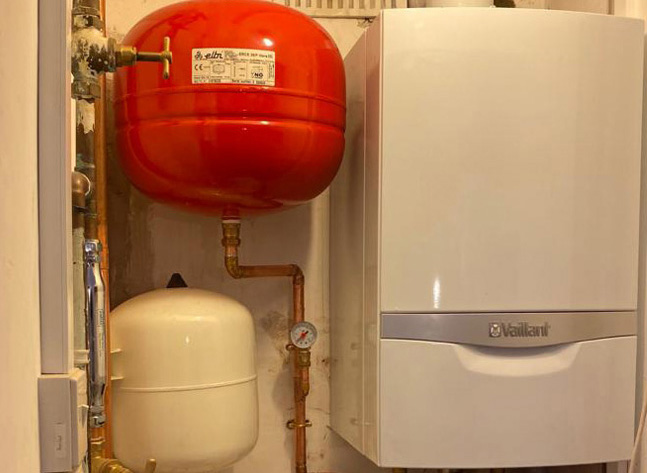
A Vaillant boiler is made to give you steady heat and hot water. But sometimes, you may see that the pressure on your boiler keeps dropping. This is a common issue, but it can also be a sign that something is wrong. If you do not fix it early, the problem can get worse and more costly. In this blog, we will explain why a boiler loses pressure, the signs you should watch for, what you can do on your own, and when it is time to call a trained engineer.
What Does Boiler Pressure Mean?
Boiler pressure shows how much water is inside the heating system. This pressure helps push hot water through the pipes and radiators. If the pressure is too low, the boiler cannot work the right way. If the pressure is too high, it can also cause problems.
Most Vaillant boilers work best when the pressure is between 1.0 and 1.5 bar when the system is cold. You can check the pressure on the front display or pressure gauge.
Common Reasons for a Vaillant Boiler to Lose Pressure
A drop in boiler pressure often happens for a few simple reasons. Some of these you can fix yourself, while others need expert help. Here are the main causes:
1. Small Leaks in the System
One of the most common reasons is a small water leak. The leak may be in the pipes, radiator valves, or inside the boiler. These leaks can be very tiny, so you may not see water on the floor. But over time, even small leaks lower the pressure.
2. Air in the Radiators
Sometimes air gets trapped inside the radiators. This air takes up space where hot water should be, and this can lower the pressure. You may hear a gurgling sound or feel cold spots on the radiator.
3. Faulty Pressure Relief Valve
A pressure relief valve releases extra pressure from the boiler. But if the valve is faulty or stuck, it may release too much water. This will cause the pressure to drop again and again.
4. Issues with the Expansion Vessel
Inside your Vaillant boiler there is a part called the expansion vessel. Its job is to balance the pressure as the water heats and cools. If this vessel is damaged or loses air, the boiler will not be able to hold pressure.
5. Recent Bleeding of Radiators
If you have bled your radiators recently, you may have released some water from the system. This is normal and can make the pressure drop. You may need to top up the system.
Signs That Your Vaillant Boiler Is Losing Pressure
A drop in boiler pressure does not always show right away. But there are some signs that something is wrong:
If you notice more than one of these signs, you should act fast.
What You Can Do Before Calling an Engineer
Sometimes the issue is small and easy to fix. Here are a few steps you can try:
1. Check for Visible Leaks
Look around the boiler, pipes, and radiators. If you see water dripping or rust marks, you may have a leak.
2. Repressurise the Boiler
Vaillant boilers have a built-in filling loop. You can top up the pressure by opening the valves for a short time until the gauge reaches around 1.2 to 1.5 bar. Always follow your user manual for this step.
3. Bleed the Radiators
If your radiators have air inside them, you can bleed them using a radiator key. Once the air is out, the pressure may rise again.
4. Reset the Boiler
Sometimes, the boiler needs a reset after you have fixed the pressure. Press the reset button and see if the boiler starts working again.
If the pressure stays low even after doing these steps, then there is a deeper issue.
When You Should Call an Engineer
There are times when only a trained gas engineer can fix the problem. Do not try to repair parts inside the boiler on your own. Here is when you must call an engineer:
1. You Keep Losing Pressure Again and Again
If your boiler loses pressure soon after topping it up, there is a hidden issue. It could be a leak inside the boiler or a faulty valve. Only an expert can check this safely.
2. You Cannot Find the Leak
Some leaks are so small that you will not see them. Engineers use tools and tests to find hidden leaks without damaging your property.
3. The Expansion Vessel May Be Faulty
A damaged expansion vessel will cause fast pressure loss. Recharging or replacing this part must be done by a trained engineer.
4. The Pressure Relief Valve Is Faulty
If the relief valve is stuck open, it will keep letting out water. This is a job that needs expert hands because the boiler must be opened and tested.
5. The Boiler Shows an Error Code
Vaillant boilers show error codes like F22, F75, or F28 when there is a pressure or flow issue. Only an engineer can read these codes the right way.
6. The Boiler Starts Making Strange Sounds
If you hear banging, humming, or whistling, it may mean a bigger issue. This can damage other parts of the boiler if you wait too long.
7. You Smell Gas or Burning
If you ever smell gas or burning, turn off the boiler at once and call an emergency gas engineer. Do not try to fix anything yourself.
Why You Should Not Ignore Low Boiler Pressure
Low pressure may seem like a small issue, but it can cause more problems if left unfixed. The boiler will work harder to heat your home. This means higher bills, more wear and tear, and a risk of sudden breakdown.
Fixing the issue early can save money, reduce stress, and keep your home warm and safe.
Conclusion
A Vaillant boiler losing pressure is common, but it should never be ignored. You can check the pressure, bleed radiators, and top up the system on your own. But if the boiler keeps losing pressure, shows error codes, or has faulty parts, you must call a trained engineer. Quick action will protect your heating system and prevent costly damage. If you need fast, safe, and expert help, you can hire a trusted local service that offers Vaillant Boiler Repair in London.